Mommy's Little Romeo: A Designer's Review
When I first opened the folder for Mommy's Little Romeo, my initial reaction wasn't about the file formats or the technical specs. It was about the vibe. As someone who spends hours tweaking stitch densities and debating thread colors, I look past the marketing copy to see if a design actually holds up under the needle. This piece carries a distinct retro Valentine's Day energy that feels both nostalgic and modern. The concept of a "little Romeo" immediately suggests a playful, affectionate tone perfect for personalized gifts, but does it translate well into physical embroidery? That is the question I set out to answer by simulating real-world application scenarios.
The First Stitch: Visual Personality and Mood
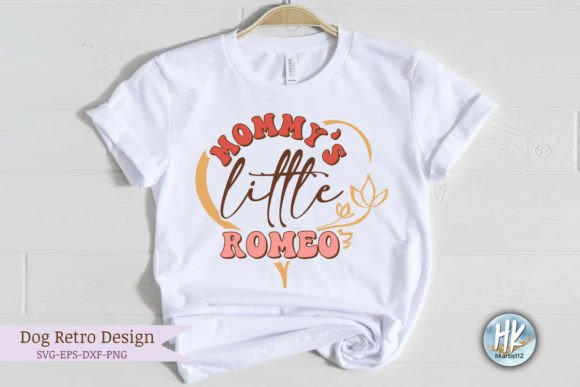
The design exudes a charming, slightly vintage aesthetic that stands out in a sea of generic floral patterns. For an embroidery designer, the layout is crucial. Mommy's Little Romeo appears to balance text and graphic elements in a way that suggests it belongs on soft, wearable items rather than stiff paper crafts. The mood is warm and inviting, making it an ideal candidate for baby showers, nursery decor, or even a cute addition to a parent's apparel. However, the retro styling requires careful consideration regarding font legibility and graphic density. When we talk about embroidery files, the devil is often in the details, and this design promises a specific character that needs to be preserved during digitization or stitching.
Real-World Application: From Digital File to Finished Product
Let's imagine a practical scenario. You are an Etsy seller preparing for the Valentine's season, and you want to launch a line of custom embroidered tote bags for new parents. You decide to use Mommy's Little Romeo as the centerpiece. The challenge here isn't just putting it on the bag; it's ensuring the design looks professional after hundreds of stitches. On a canvas tote, the design would likely shine. The sturdy fabric can handle the weight of the stitching without puckering, and the neutral color of the bag allows the retro theme to pop without clashing.
However, consider a different project: a baby onesie. Here, the stakes are higher. The fabric is thin, stretchy, and delicate. If Mommy's Little Romeo contains dense fill stitches, it could become too stiff for a baby's skin, ruining the comfort factor that handmade products rely on. In this context, the design might need to be scaled down or adjusted with lighter stabilizers. The visual appeal remains high, but the tactile experience changes entirely. This is why understanding the end-use is vital before hitting the start button on your machine.
I also envision this design on a sweatshirt or a kitchen towel. On a thick cotton fleece sweatshirt, the retro style fits perfectly, offering a cozy, boutique feel. On a linen tea towel, the design adds a touch of personality to the kitchen. The versatility is impressive, but only if the stitch density is appropriate for the material. A design that works beautifully on denim might look muddy on a lightweight apron. The key is matching the texture of the fabric to the complexity of the machine embroidery design.
Where Caution is Required: Technical Pitfalls
While Mommy's Little Romeo has strong potential, there are specific situations where a designer should proceed with caution. Small hoop sizes are the first red flag. If the design includes intricate details or small lettering, shrinking it to fit a 4x4 inch hoop could result in lost definition. The letters might blur together, and the retro graphics could lose their sharp edges, turning a charming design into a blob of thread.
Textured fabrics present another hurdle. If you attempt to embroider this on a boucle knit or a heavy corduroy, the needle may struggle to penetrate the surface evenly. The resulting satin stitch lines could appear uneven, detracting from the professional finish that customers expect. Similarly, dark fabrics require a high-quality underlay and potentially a backing layer to prevent the base fabric from showing through the stitches. Without proper preparation, the contrast needed to make the retro colors stand out might be compromised.
Curved surfaces like caps or hats add a third dimension to the equation. Embroidery on a curved brim requires precise digitizing to ensure the design doesn't warp. If Mommy's Little Romeo is not specifically optimized for cap hooping, the text might curve awkwardly, breaking the flow of the message. Furthermore, areas with dense stitch work should be avoided on items that undergo frequent washing, as the friction could cause the threads to fray or the fabric to pucker over time. These are the realities of commercial embroidery that separate hobbyists from professionals.
Impact on Brand and Customer Trust
In the world of handmade goods, the quality of the embroidery speaks volumes about the brand. A clean, well-executed embroidered patch or a crisp design on a tote bag design builds trust. Customers are willing to pay a premium for items that look polished and durable. If Mommy's Little Romeo is stitched correctly, it elevates the perceived value of the product, making it a desirable gift. Conversely, a sloppy execution can lead to returns and negative reviews, which can damage a small shop's reputation.
The design also plays a role in giftability. A Valentine's themed item with a personal touch is always a hit. The phrase "Mommy's Little Romeo" evokes emotion and connection, making it a sentimental choice for holidays and birthdays. When used in holiday embroidery projects, it helps create a cohesive collection that resonates with buyers looking for unique, heartfelt presents. The visual appeal directly influences buyer engagement, turning a simple craft item into a cherished keepsake.
Practical Notes for the Design Professional
Before incorporating Mommy's Little Romeo into your next craft business lineup, there are essential steps to take. Always test the design on scrap fabric that matches your final product in weight and texture. This simple step can reveal issues with tension, puckering, or thread breakage before you commit to a customer's order. Check the thread color contrast carefully; what looks good on a screen might not translate well in thread form.
Review the stitch density and confirm the recommended hoop size. Ensure you have the correct stabilizer ready for the specific fabric type. Inspect small details in the design to ensure they won't get lost in the stitching process. It is also wise to test the design in black and white mockups to check for clarity and balance. Compare how it looks on light versus dark backgrounds to anticipate any issues with visibility.
Finally, verify whether the design is suitable for both personal and commercial projects. Confirm the licensing terms before selling finished items or digital products. While the download includes various formats like SVG and EPS, these are primarily for cutting machines. If you intend to use this as an applique design or a pure embroidery file, you must ensure you have the necessary digitized version compatible with your machine. Do not assume that a cut file will stitch perfectly without conversion or verification.
In conclusion, Mommy's Little Romeo offers a delightful blend of retro charm and modern sentimentality. With careful planning and attention to detail, it can serve as a standout element in a wide range of handmade products. Whether you are creating baby embroidery pieces or boutique branding materials, this design has the potential to impress. Just remember that success lies in the execution, so take the time to prep, test, and refine your approach for the best finished product.