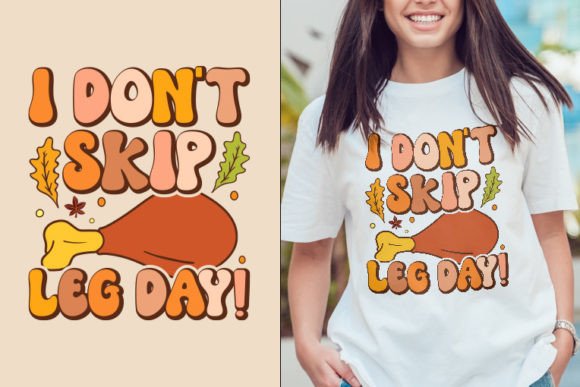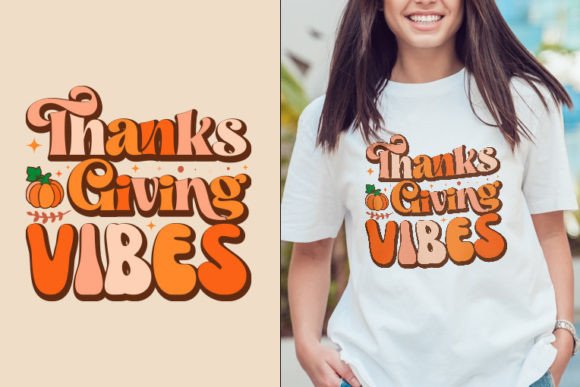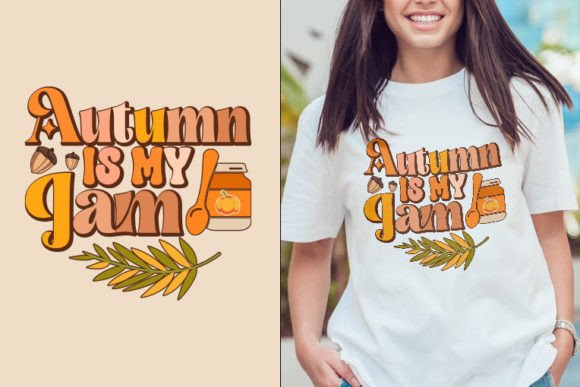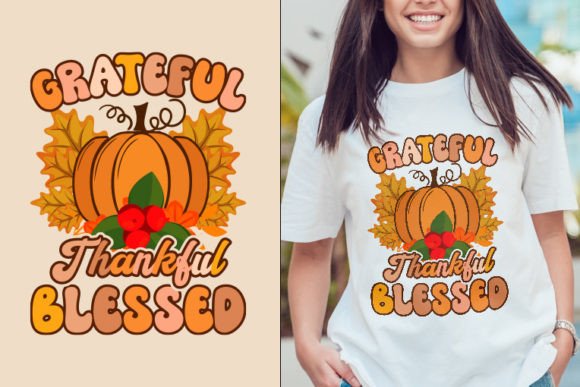
Review: Retro Boho SVG Design for Embroidery Projects
As a designer who spends more time looking at stitch density and thread contrast than actual sleep, I approach every new digital asset with a healthy dose of skepticism. The market is flooded with generic clipart masquerading as professional embroidery files. However, when I first pulled up the Retro Boho SVG Design, my initial reaction was one of cautious optimism. It doesn’t scream "cheap print-on-demand"; instead, it whispers "boutique handmade." This review isn’t just about aesthetics; it’s about whether this design holds up under the needle, how it translates to physical products, and if it’s worth your time and thread for real-world applications.
The First Impression: Mood and Visual Personality
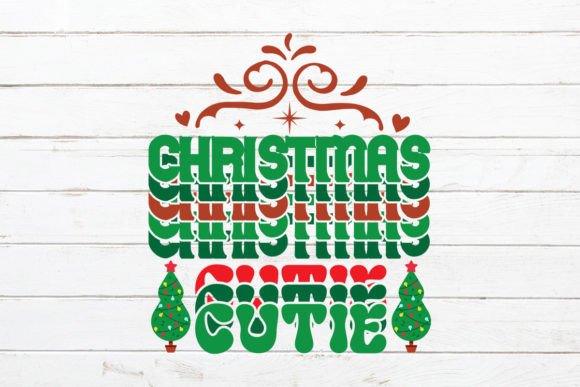
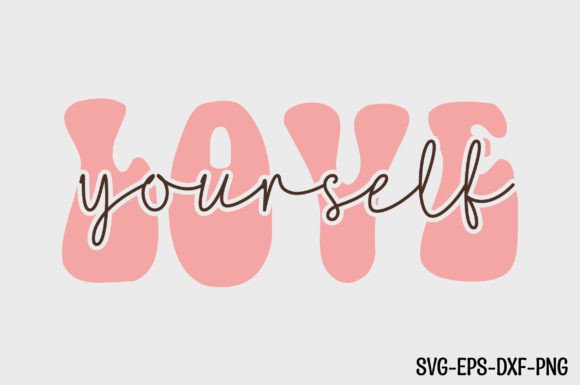
The term "boho" is often overused, but this specific iteration leans into a nostalgic, mid-century modern vibe that feels current without being trendy. The layout suggests a balanced composition that works well within standard hoop constraints. Visually, the design possesses a clear hierarchy. It doesn’t clutter the eye, which is crucial for embroidery where too much detail can turn into a muddy mess of thread.
For those of us in the craft business, visual appeal is the first step in conversion. This design feels warm, inviting, and slightly whimsical. It naturally lends itself to products that require a personal touch. Whether you are an Etsy seller or running a small shop, this aesthetic aligns perfectly with customers looking for items that feel curated rather than mass-produced. The retro elements give it a timeless quality, meaning you won’t be stuck clearing out inventory because the style went out of fashion last month.
Real-World Application: From Screen to Stitch
Let’s talk about where this embroidery file actually shines. I’ve been thinking through various product scenarios, and the Retro Boho SVG Design shows remarkable versatility. It is not limited to just one type of merchandise.
- Custom Apparel: On a sweatshirt or t-shirt, this design would look fantastic centered on the chest or slightly off-center on the back. The lines are clean enough to maintain their shape even on knit fabrics, provided the stabilizer is chosen correctly.
- Tote Bags: A classic use case. Placing this on a canvas tote adds an instant upgrade from plain canvas to a statement piece. It appeals to the book lover, the artist, and the everyday commuter alike.
- Baby Items: The soft, organic feel of the boho theme makes it suitable for baby onesies or nursery decor. However, caution is advised here regarding scale and safety, which we will discuss later.
- Home Decor: Pillow covers and tea towels are excellent candidates. The design’s balance allows it to sit comfortably in a living room setting without overwhelming the space.
When I imagine this as a finished product, I see high perceived value. Customers pay more for things that look intentional. A well-executed machine embroidery design like this elevates a basic blank into a premium item.
Technical Performance and Stitch Clarity
One of the biggest risks in digital-to-physical translation is the loss of definition. Does the Retro Boho SVG Design suffer from jagged edges or unclear shapes when stitched? Based on the vector nature of the source files (SVG, EPS), the potential for crisp edges is high. Vector graphics scale infinitely, ensuring that your satin stitch outlines remain smooth regardless of the final size.
The key to success lies in the stitch density. If the design includes large areas of fill stitch, you must ensure your machine settings match the fabric weight. For intricate details, the transition between different thread colors needs to be sharp. If the design relies on tiny negative space, you need to verify that the underlying fabric color shows through clearly. In my experience, designs with moderate complexity and clear geometric or organic boundaries perform best. This design appears to fall into that sweet spot—detailed enough to be interesting, but simple enough to stitch reliably.
Material Considerations
The choice of fabric drastically alters the outcome. On a stable cotton twill cap, the design will pop. On a stretchy jersey knit, you might encounter puckering if you don’t use a cut-away stabilizer. Similarly, textured fabrics like heavy denim or boucle wool can hide fine details. Always consider the fabric texture before committing to a production run.
Where to Exercise Caution
No design is perfect for every scenario. There are specific situations where you should test the Retro Boho SVG Design carefully before scaling up.
- Small Hoop Sizes: If you attempt to digitize or embroider this on a very small hoop (like 4x4 inches or smaller), some of the finer details may become indistinguishable. Thread thickness plays a huge role here; thicker threads consume more space and can blur small gaps.
- Curved Surfaces: Embroidering on caps or curved bags requires significant skill. Distortion can warp the symmetry of the design. If you are new to curved surface embroidery, practice on scrap material first.
- Dense Stitch Areas: Avoid placing dense sections directly against seams or edges where the fabric might tear or pucker. Also, be mindful of stabilizer removal; if the backing is left behind, it can make the garment stiff and uncomfortable.
- Dark Fabrics: Ensure your thread colors have sufficient contrast against dark backgrounds. A light pastel design on black fabric might get lost unless you use a high-density underlay or a contrasting background patch.
Practical Designer Notes for Production
Before you start churning out handmade products for your small shop product line, follow these practical steps to ensure quality control.
- Test on Scrap Fabric: Never go straight to the final product. Use a scrap of the exact same fabric and stabilizer combination to check for tension issues, thread breaks, and color accuracy.
- Check Licensing: As a commercial entity, you must understand the terms of use. Does the purchase allow for commercial embroidery? Can you sell unlimited finished items? Confirming licensing prevents legal headaches down the road.
- Mockups Matter: Create printable mockups or digital previews to show customers what the finished product will look like. This manages expectations and reduces returns.
- Thread Quality: Cheap thread leads to lint buildup and breakage. Invest in good quality polyester or rayon thread to match the professionalism of the design.
- Black and White Review: Convert the design to grayscale to check its silhouette. If it looks weak without color, it will likely struggle in embroidery.
Final Verdict
The Retro Boho SVG Design is a strong contender for designers looking to add a touch of warmth and nostalgia to their portfolio. It is versatile enough for custom apparel, home goods, and personalized gifts. Its vector-based origins promise clean lines, and its aesthetic fits seamlessly into the current market demand for unique, handmade-style goods.
However, remember that the file is only half the battle. Your skill in stabilization, tension adjustment, and fabric selection determines the final result. Treat this as a tool for creativity, test it thoroughly, and use it to create pieces that reflect your brand’s commitment to quality. For the right maker, this design offers a reliable foundation for beautiful, marketable embroidery projects.