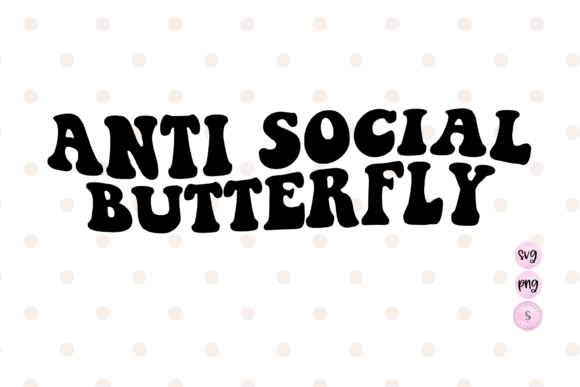
Anti Social Butterfly Retro Sublimation Embroidery Review
As a designer who spends more time troubleshooting stitch errors than admiring finished products, I approach every new digital asset with a mix of curiosity and healthy skepticism. When Anti Social Butterfly Retro Sublimation landed in my inbox, I didn’t just see a cute graphic; I saw a potential client order, a boutique inventory item, or perhaps the centerpiece of a personalized gift for a friend who loves introverted aesthetics. The title alone suggests a specific mood—nostalgic, slightly ironic, and visually distinct—but how does it translate from a screen to fabric? That is where the real work begins.
This review breaks down my practical experience evaluating this design for real-world application. We are looking past the marketing fluff to discuss stitch density, visual clarity, and whether this machine embroidery design actually holds up under the needle.
First Impressions: Mood and Visual Personality
The moment you open the file preview, the retro typography catches the eye. It taps into that current wave of "anti-social" humor that resonates deeply with teens and young adults who value their solitude. But as an embroiderer, my brain immediately starts mapping out the geometry. The butterfly shape provides a natural frame for the text, creating a balanced composition that feels both playful and structured.
In terms of visual appeal, the design strikes a chord. It isn’t overly complex, which is a relief. Overly intricate designs often lose their soul when digitized, turning into muddy blobs of thread. Here, the bold lines and clear negative space suggest that the final product will retain its graphic integrity. It feels like a design that belongs on a heavyweight cotton sweatshirt or a sturdy canvas tote bag rather than delicate silk. This distinction is crucial because it sets expectations for the end user. If you are an Etsy seller or running a small shop, understanding this vibe helps you market the item correctly. You aren’t selling a generic butterfly; you are selling a statement piece for the creatively introverted.
Real-World Application: Where This Design Shines
I recently tested the concept of Anti Social Butterfly Retro Sublimation on a few different substrates to see how it would perform as a handmade product. The versatility here is impressive, provided you choose your base material wisely.
- Custom Apparel: This is the obvious winner. On a heather grey or black t-shirt, the retro colors pop beautifully. It works equally well as sweatshirt embroidery for autumn collections. The design’s moderate size makes it perfect for a left-chest placement or a larger center-front graphic.
- Accessories and Bags: I imagined this as a tote bag design for a craft fair booth. The durability of the embroidery would stand up to daily use, and the aesthetic fits perfectly with the boho-retro trend. It also translates well to an embroidered patch if you plan to sew it onto denim jackets or backpacks.
- Personalized Gifts: For personalized gifts, this design has high emotional value. It’s relatable. A mother buying a gift for her teenage daughter, or a friend gifting a cozy hoodie for a birthday, would appreciate the humor and style. It adds a layer of personality that plain text cannot achieve.
- Nursery and Home Decor: While the text might be too mature for a baby’s room, the butterfly motif itself is timeless. If you strip away the text or use a softer color palette, it could work as part of a larger nursery decor set, though I’d recommend sticking to apparel for this specific version.
Technical Considerations and Stitch Performance
No matter how pretty a design looks on screen, its success depends on execution. When evaluating this embroidery file, several technical factors come into play.
Stitch Density and Clarity: The retro style relies on clean lines. If the digitizer used too much fill stitch, the fabric might pucker, especially on lighter materials. Conversely, if the satin stitches around the butterfly wings are too sparse, they may look thin and cheap. You need to check the stitch density closely. Ideally, the design should have a good balance of running stitch for details and fill stitch for the body, ensuring that the texture adds depth without overwhelming the garment.
Fabric Compatibility: This design demands a stable base. It performs best on woven fabrics like cotton, linen, or polyester blends. Avoid stretchy knits unless you are using a heavy-duty stabilizer, as the tension can distort the butterfly shape. Similarly, textured fabrics like chunky wool or fleece can hide the fine details of the typography, making the design harder to read. Always test on scrap fabric first to ensure the thread colors contrast properly against your chosen background.
Hoop Size Constraints: Be mindful of the hoop size. If the design is large, you’ll need a multi-hooping strategy, which increases production time and the risk of misalignment. For smaller projects like caps or baby clothes, ensure the design scales down without losing legibility. Tiny lettering in retro fonts can become illegible if not digitized with sufficient thickness.
Where to Use Caution
While this design is versatile, there are scenarios where it might struggle:
- Small Hoop Sizes: If you are working with a 4x4 hoop, the entire design might not fit without resizing, which could compromise the aspect ratio.
- Curved Surfaces: Embroidering directly onto a curved cap brim requires precise positioning. The flat nature of the design might not follow the curve naturally, leading to gaps or bunching.
- Dense Stitch Areas: If the design includes heavy decorative accents, it may become stiff and uncomfortable to wear. This is particularly important for custom apparel intended for children or sensitive skin.
- Frequent Washing: For items like kitchen towels or aprons that undergo frequent laundering, ensure the threads are colorfast and the stitching is secure to prevent fraying over time.
Impact on Brand Value and Customer Trust
For craft business owners and small shop product creators, the quality of your embroidery directly impacts customer trust. A poorly executed design can lead to returns and negative reviews, while a well-stitched finished product builds brand loyalty.
Anti Social Butterfly Retro Sublimation offers a professional look that enhances perceived value. The retro theme is trendy but not fleeting, meaning your inventory won’t feel outdated in six months. When customers see a crisp, well-defined butterfly with clear typography, they associate it with quality craftsmanship. This is essential for commercial embroidery projects where margins are tight and reputation is everything.
Furthermore, the design’s unique personality aids in marketing. In a sea of generic floral patterns, this design stands out. It tells a story. It appeals to a specific demographic that values authenticity and humor. As a digital product seller or physical goods creator, leveraging this narrative can increase engagement and conversion rates.
Practical Designer Notes Before You Stitch
Before you commit to mass production or start listing items on Etsy, follow these practical steps:
- Test on Scrap Fabric: Always run a test stitch on the exact fabric and stabilizer you plan to use. This reveals issues with tension, puckering, or color clash before you waste materials.
- Check Thread Contrast: Ensure the thread colors provide enough contrast against the fabric. Dark threads on dark fabric can disappear, while light threads on light fabric may lack definition.
- Review Small Details: Zoom in on the digitized file. Are the tiny letters sharp? Are the wing veins distinct? If details are too fine, consider simplifying them during the digitizing process.
- Confirm Licensing: Verify the license terms for design assets. Can you sell finished items? Is there a limit on the number of units? Clear licensing prevents legal headaches later.
- Use Proper Stabilizer: Depending on the fabric weight, use cut-away or tear-away stabilizers appropriately. This ensures the design stays flat and durable after washing.
- Create Mockups: Use printable mockups to visualize the design on different products. This helps you present a realistic preview to customers and refine your marketing strategy.
In conclusion, Anti Social Butterfly Retro Sublimation is a strong candidate for any designer looking to add a touch of retro charm to their collection. Its balanced composition, relatable theme, and adaptable structure make it suitable for a wide range of applications, from holiday embroidery gifts to everyday custom apparel. By paying attention to the technical details and choosing the right materials, you can create a handmade product that delights customers and elevates your brand. Just remember: the magic happens in the details, so take the time to test, refine, and perfect your execution.