Lucky Smiley Face Retro Sublimation Review
As a designer who spends more time staring at stitch charts and fabric swatches than sleeping, I approach every new digital asset with a healthy dose of skepticism. The market is flooded with clip art that looks great on a screen but falls apart under the needle. That is why I take the time to evaluate designs like Lucky Smiley Face Retro Sublimation before committing them to my own production workflow or recommending them to clients. This isn't just about whether the image is cute; it is about whether it translates into a high-quality, sellable embroidery project that stands up to real-world wear and tear.
First Impressions: Mood and Visual Personality
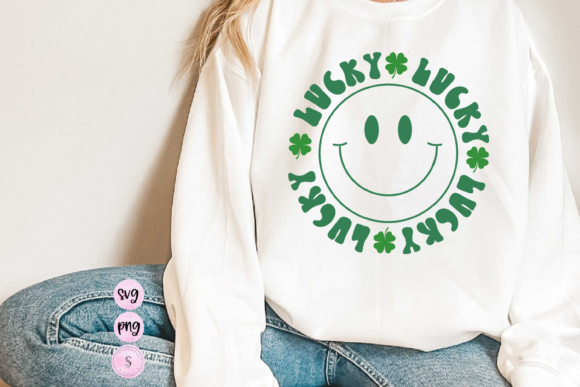
When you first load this file into your digitizing software, the immediate takeaway is its nostalgic charm. The "Retro" aspect of the title is not just a buzzword here; the typography and the classic smiley face motif evoke a specific era of graphic design that resonates strongly with current trends in streetwear and casual apparel. It feels playful yet polished, striking a balance between whimsical and professional.
The layout is clean, which is crucial for embroidery. Unlike complex illustrations that can turn into muddy blobs if the digitization is poor, this design relies on strong shapes and clear negative space. For an Etsy seller or small business owner, this clarity is gold. It suggests a design that will read well from a distance, making it ideal for larger placements on sweatshirts or tote bags where visibility matters. The mood is undeniably positive, which naturally boosts the giftability of any finished product. Whether it ends up on a baby onesie or a holiday gift for a colleague, the smiley face communicates warmth and luck without saying a word.
Real-World Application: From Screen to Stitch
Let’s talk about how this actually performs in a production environment. I recently considered using this for a custom order of Saint Patrick’s Day themed merchandise. While the prompt mentions sublimation, the core graphic works exceptionally well when adapted for machine embroidery. Imagine this design stitched onto a heavyweight cotton canvas tote bag. The contrast between the thread colors and the natural fabric would highlight the retro typography beautifully. It creates a premium feel that elevates a basic accessory into a boutique item.
I also envision this working brilliantly for sweatshirt embroidery. The chest placement allows the design to sit comfortably against the body, and the rounded shape of the smiley face complements the drape of the fabric. For custom apparel decorators, this is a low-risk, high-reward design. It appeals to a broad demographic—from Gen Z shoppers looking for vintage vibes to older customers who appreciate simple, cheerful graphics. When evaluating craft business potential, versatility is key. This design fits seamlessly into categories ranging from kitchen towels and aprons to pillow covers and nursery decor. Its adaptability means you aren’t limited to one niche; you can cross-list it across multiple product types in your online store.
Technical Considerations and Fabric Choices
No design is perfect for every surface, and being honest about limitations is part of responsible reviewing. While Lucky Smiley Face Retro Sublimation has a straightforward structure, there are specific scenarios where caution is required. If you plan to use this on textured fabrics like heavy bouclé or terry cloth, the details may get lost. The smoothness of the embroidery needs a relatively flat ground to shine. Similarly, on stretchy knits, you must ensure your stabilizer choice is robust enough to prevent puckering, especially around the curved edges of the smiley face.
Density is another factor. Although I cannot verify the exact stitch count without the source file, smiley faces often rely on fill stitches for the face and satin stitches for outlines. If the stitch density is too high, the fabric can become stiff and uncomfortable, particularly on baby embroidery projects where softness is paramount. Conversely, if the density is too low, the underlying fabric might show through, ruining the visual integrity. I always advise testing on scrap fabric first. Check the thread colors against your actual inventory. A bright yellow smiley face might look vibrant on a white mockup but appear washed out on a cream-colored shirt. Always compare light and dark fabric backgrounds to ensure the design maintains its punch.
Where to Use It Carefully
- Small Hoop Sizes: If you are trying to fit this into a tiny hoop (like 4x4 inches), inspect the small details. Tiny lettering or thin lines may merge together during stitching, creating a blurry effect.
- Curved Surfaces: Applying this to caps or hats requires careful hooping. The curvature can distort the symmetry of the face if the tension isn’t perfectly calibrated.
- Dense Stitch Areas: Avoid placing dense sections directly over seams or zippers, as this can cause needle breakage or uneven feeding.
- Frequent Washing: For items like aprons or tea towels that undergo frequent laundering, ensure the design uses durable stitch types like satin or tight fill stitches rather than loose running stitches that might snag.
Impact on Brand and Customer Trust
In the world of handmade products, presentation is everything. A well-executed embroidery file signals professionalism. When a customer receives a personalized gift or a small shop product that features crisp, clean stitching, their trust in your brand increases. They perceive the item as higher value, which justifies a better price point. Lucky Smiley Face Retro Sublimation, when digitized correctly, enhances this perception. It looks intentional and skilled, not rushed or amateurish.
For digital product sellers offering this as a digital embroidery file or design assets, providing accurate previews is essential. Using printable mockups that show the texture of the thread and the slight dimensionality of the stitches helps buyers understand what they are getting. It manages expectations and reduces returns. Furthermore, checking licensing terms is non-negotiable. Before selling finished items or distributing the file commercially, confirm that you have the right to do so. Protecting your commercial embroidery rights ensures your creative entrepreneur efforts remain profitable and legal.
Practical Designer Notes for Implementation
To get the best results from this design, follow these practical steps:
- Test on Scrap Fabric: Never run a new design straight onto your final product. Test it on the same fabric type and color to check for issues.
- Review Stabilizer Choice: Use a cut-away stabilizer for knits and stretchy materials to maintain stability during washing. Tear-away may suffice for wovens like canvas tote bags.
- Check Black and White Mockups: Convert your design preview to grayscale. This helps identify if the contrast between different thread colors is sufficient for legibility.
- Inspect Small Details: Zoom in on the corners and curves. Ensure that no threads are overlapping awkwardly or that no gaps are too wide.
- Confirm Licensing: Verify the terms of use for both personal and commercial applications. Some files allow unlimited sales, while others restrict the number of units.
Ultimately, Lucky Smiley Face Retro Sublimation is a versatile, charming addition to any graphics library. It bridges the gap between fun, festive themes and professional execution. By paying attention to fabric selection, stabilization, and stitch quality, you can transform this digital asset into a tangible handmade product that delights customers and strengthens your brand identity. Whether you are preparing for a holiday rush or expanding your year-round catalog, this design offers a reliable foundation for success.