Raising Wildflowers Retro Sublimation Review
As a designer who spends more time looking at stitch density and fabric grain than I do drinking coffee, I have learned to be skeptical of any design that claims to be "gorgeous" without showing me how it holds up under the needle. When Raising Wildflowers Retro Sublimation landed on my desk, my first instinct was to evaluate it not just as a pretty image, but as a functional asset for real-world embroidery projects. We are talking about Crafts and Graphics here, specifically within the realm of digital embroidery files where aesthetics meet mechanical reality. This review is for the Etsy seller, the boutique owner, and the hobbyist who wants to know if this design will survive the hoop and the wash cycle.
The First Impression: Mood and Visual Personality
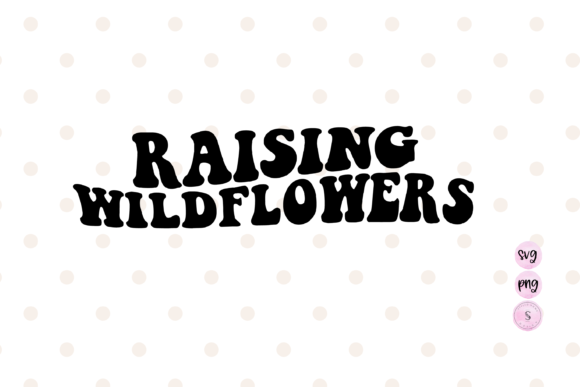
The moment you open the file for Raising Wildflowers Retro Sublimation, the retro typography immediately sets a specific tone. It feels nostalgic, warm, and undeniably feminine, yet it carries a grounded strength in its lettering choices. The phrase itself suggests a nurturing energy, which makes it an incredibly strong candidate for maternal themes or nature-inspired decor. Visually, the layout is balanced enough to work as a central focal point on a garment or as a charming accent on smaller accessories.
From a design perspective, the visual personality is distinct. It avoids being overly cutesy, which allows it to cross over from simple baby gifts to stylish adult apparel. The retro aesthetic gives it a timeless quality that fits well with current trends in handmade fashion, where vintage vibes are highly sought after. However, the success of this embroidery project relies heavily on how those typographic elements translate into thread. If the curves are too tight or the spacing too dense, the retro charm can quickly turn into a tangled mess.
Real-World Application: Where This Design Shines
In my experience, the best machine embroidery designs are versatile. Raising Wildflowers Retro Sublimation proves to be highly adaptable across various product categories. I envision this design performing exceptionally well on soft cotton t-shirts and heathered blends, where the texture of the fabric complements the vintage feel of the typography. It is also an excellent choice for tote bags, offering a sturdy canvas that can handle the weight of the stitches without puckering.
Consider the market for personalized gifts. This design is practically begging to be placed on sweatshirts for new mothers or as a thoughtful gift for grandmothers. The emotional resonance of the phrase, combined with the classic retro style, creates a personalized gift that feels both modern and heartfelt. For craft fair vendors, this design offers high perceived value. A well-executed embroidered patch featuring this design could easily become a standout item in a booth filled with generic floral patterns.
Furthermore, the design’s simplicity allows it to shine in home decor applications. Imagine this stitched onto a linen tea towel or a pillow cover for a nursery. The clean lines of the typography ensure that the message remains legible even when viewed from a distance, which is crucial for items like wall art or large decorative pillows. For the Etsy seller, this versatility means one digital asset can generate multiple listings, from custom apparel to home accents.
Technical Considerations and Stitch Performance
While the visual appeal is strong, we must talk about the mechanics. When evaluating any embroidery file, I always look at the balance between different stitch types. In Raising Wildflowers Retro Sublimation, the interplay between potential satin stitches for outlines and fill stitches for any graphical elements needs careful attention. If the design relies too heavily on dense fill stitches, it may become stiff and uncomfortable against the skin, particularly on baby clothes or lightweight tees.
I recommend testing the design with a variety of thread colors. Because the retro style often benefits from muted or pastel palettes, contrast is key. A light gray thread on a white shirt might disappear, whereas a dusty rose on a cream background would pop beautifully. Always check the stitch density to ensure that the fabric supports the design without distorting. If you are working with thin fabrics, you will need a high-quality cut-away stabilizer to prevent the hoop marks from becoming permanent indentations.
Another critical factor is the hoop size. Ensure that the design dimensions fit comfortably within your machine’s standard hoops. If the design is intended to be oversized, you may need to plan for multi-hooping, which increases production time and the risk of alignment errors. For small business owners, efficiency matters, so choosing a design that fits standard hooping parameters can streamline your workflow significantly.
Where to Exercise Caution
No design is perfect for every surface. There are specific scenarios where Raising Wildflowers Retro Sublimation might struggle. Avoid using this design on highly textured fabrics like heavy wools or bouclé, as the intricate details of the typography may get lost in the weave. Similarly, stretchy knits require extra care; if the stabilizer is not properly matched to the fabric’s elasticity, the design may warp during stitching.
Curved surfaces, such as baseball caps or curved hat panels, present another challenge. While the retro style is forgiving, sharp corners in the lettering might not lay flat on a curve. Test this by digitizing a mockup or using a physical sample before committing to a bulk order. Additionally, be mindful of small details. If the design includes tiny flourishes or fine lines, ensure they are wide enough to be stitched clearly. On dark fabrics, light-colored threads may require additional passes to achieve full coverage, which can increase stitch count and runtime.
Final Verdict: Is It Worth Your Time?
After reviewing the visual composition, practical applications, and technical requirements, Raising Wildflowers Retro Sublimation emerges as a solid addition to any designer’s library. It strikes a rare balance between artistic expression and commercial viability. For the craft business owner, it offers a reliable way to create products that resonate emotionally with customers while maintaining a professional finish.
To get the most out of this design, I advise taking the time to test it thoroughly. Start with scrap fabric, inspect the stitch density, and confirm that the thread colors provide adequate contrast. Check whether the design works for both personal use and commercial embroidery by verifying licensing terms. By doing your due diligence, you can transform this digital graphic into a stunning finished product that stands out in a crowded marketplace.
Ultimately, this design is more than just a pattern; it is a tool for creating meaningful connections through handmade goods. Whether you are making a holiday embroidery gift for a friend or launching a new line of boutique merchandise, Raising Wildflowers Retro Sublimation provides the foundation for something truly special. Just remember to respect the fabric, choose your stabilizer wisely, and let the quality of your stitching speak for itself.